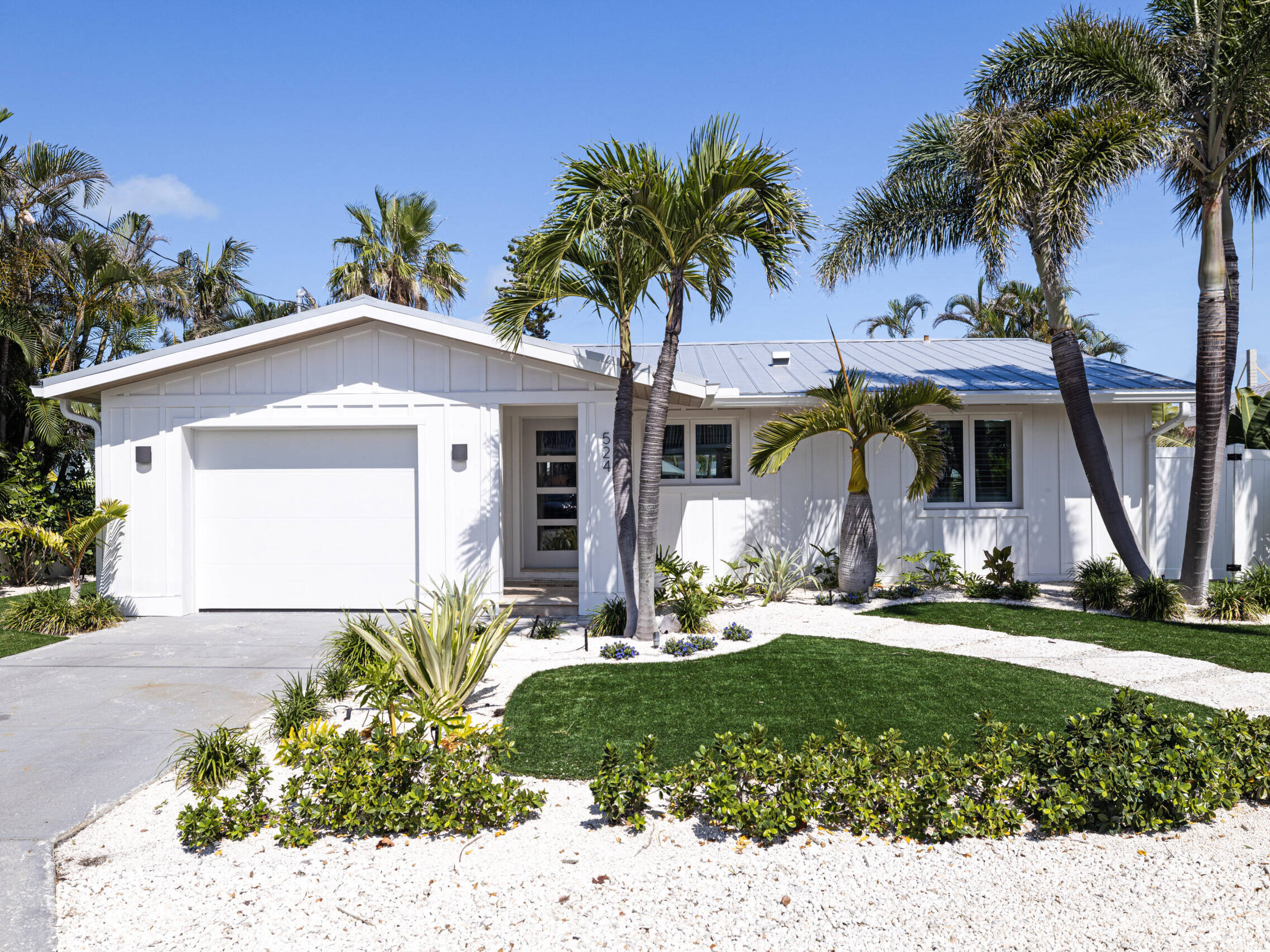

How FEMA Flood Zones Affect Your Home Design
Building a home along Florida’s Gulf Coast isn’t just about design — it’s about resilience. Whether you’re building on Snell Isle, Pass-a-Grille, or Belleair Beach, understanding how FEMA flood zones impact your design, cost, and construction method is critical to getting your dream home built right.
1. What a FEMA Flood Zone Really Means
FEMA (the Federal Emergency Management Agency) maps all of Pinellas and Hillsborough Counties into flood zones, identifying areas at risk during a major storm or surge.
Your property’s designation — AE, VE, X, or Coastal A — dictates how high and how strong your home must be built.
|
Zone |
Description |
Typical Requirement |
|---|---|---|
|
X Zone |
Minimal risk |
Standard foundation and elevation |
|
AE Zone |
High risk from flooding |
Must build above Base Flood Elevation (BFE) |
|
VE Zone |
Coastal velocity zone, subject to waves |
Elevated pile foundations and breakaway walls |
|
Coastal A Zone |
Transitional high-risk area |
Similar to VE: deep foundations, open lower areas |
The closer your property is to the water — and the lower its elevation — the more stringent the design and structural requirements become.
2. Elevation: The Foundation of FEMA Compliance
Every FEMA zone has a Base Flood Elevation (BFE) — the projected height floodwaters could reach during a 100-year storm.
To protect life and property, your home’s lowest floor must be built above that elevation (often 1 foot higher, called “freeboard”).
That means:
-
Raised foundations, piers, or piles are common in AE and VE zones.
-
Garages, storage, or open-air spaces are typically built below the living floor, with breakaway walls designed to fail safely under surge conditions.
At Totten Construction, we integrate FEMA requirements into the design early — so structure, stairs, driveways, and drainage align seamlessly with the elevation plan.
3. How Flood Zones Affect Design and Cost
FEMA requirements aren’t just code — they shape how your home looks and functions.
They influence:
-
Architecture: Elevated living spaces, stair configurations, and landscaping transitions.
-
Engineering: Heavier foundations, deep pilings, flood vents, and lateral bracing.
-
Mechanical systems: Relocating electrical panels, HVAC, and plumbing above flood level.
-
Insurance: Proper compliance dramatically reduces your NFIP flood insurance premium.
These design considerations can add cost — but also protect your investment and resale value. FEMA compliance isn’t a burden; it’s a blueprint for smarter coastal living.
4. The Design Advantage: Building Beautifully Above Code
The best coastal homes don’t look like they’re on stilts — they look intentional.
By collaborating with architects early, Totten Construction integrates elevation and engineering into elegant designs that celebrate views, light, and proportion.
We don’t “work around” flood codes — we design with them.
5. Our Process: Clarity from the Ground Up
Our Preconstruction Advisory process includes:
-
A FEMA Flood Zone Analysis specific to your lot
-
Coordination with your surveyor and structural engineer
-
Preliminary elevation sketches and budget impacts
-
Guidance on flood-resistant materials and insurance savings
It’s how we help clients make informed decisions before they spend on full design drawings.
6. Build Smart, Build Secure
Coastal construction requires more than craftsmanship — it requires understanding.
At Totten Construction, we bring clarity, engineering insight, and decades of experience building in FEMA-regulated zones across Tampa Bay.
Whether you’re rebuilding, raising, or starting new, we’ll ensure your home is as resilient as it is beautiful.
📩 letsbuild@tottenconstruction.com | 🌐 tottenconstruction.com
Share

Related Posts
November 4, 2025
We Flooded — Should We Raise Our House or Tear It Down and Rebuild?
We Flooded — Should We Tear Down and Rebuild, Remodel the Existing Home, or…

September 4, 2025
Understanding Cost-Plus Contracts — and Why Transparency Matters
Understanding Cost-Plus Contracts — and Why Transparency Matters